

Civil Rights
Civil rights are rights established by law, within civil society, to protect the equal natural rights of individual citizens.
Civil rights are different from natural rights.
Natural rights exist by nature. They do not depend upon government for their existence. Civil rights, by contrast, depend upon constitutions, laws, courts, and other legal institutions for their form and protection.
Historically, Americans often distinguished civil rights from political rights.
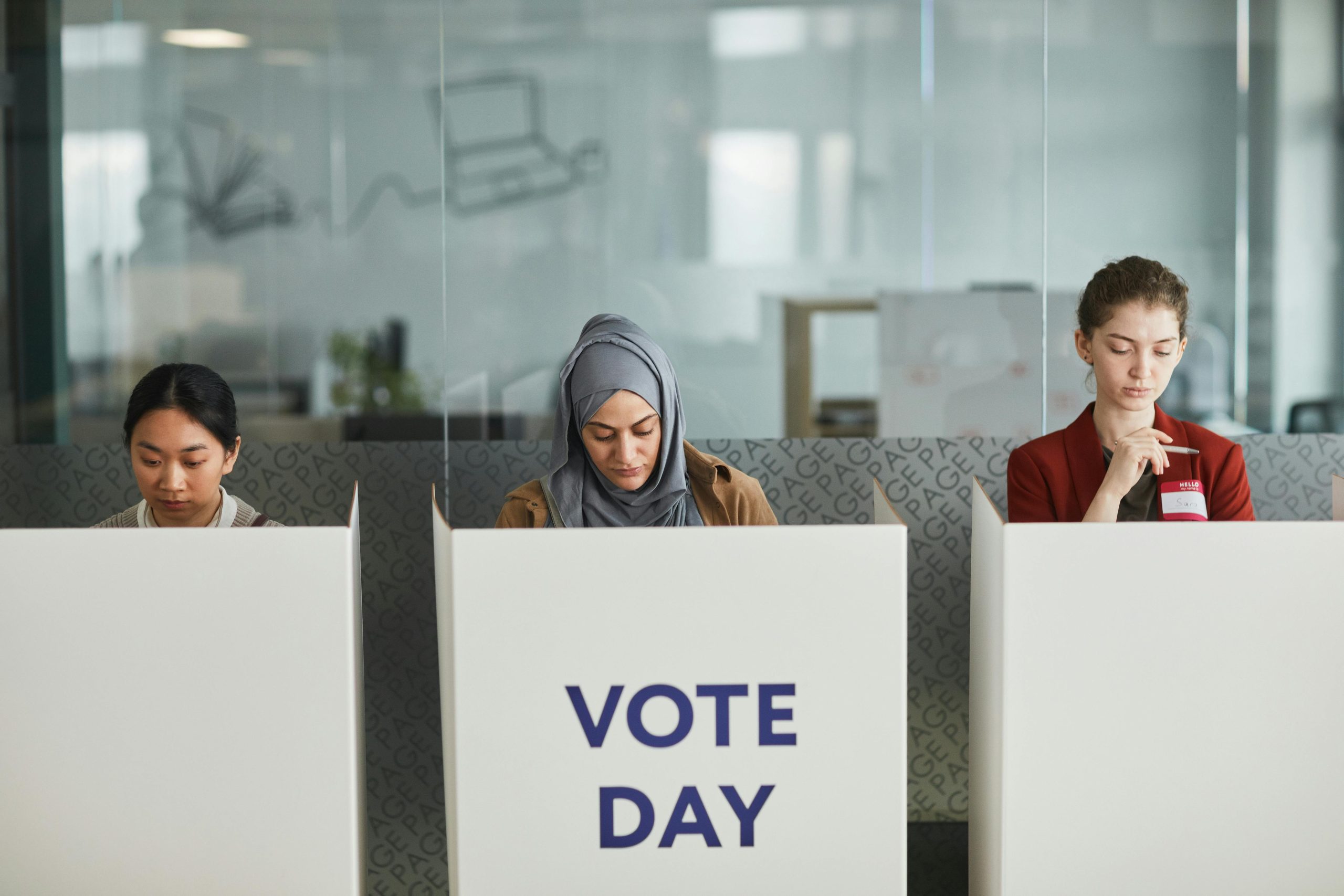
- Civil rights included such things as the legal capacity to own and transfer property, make contracts, sue and be sued in civil courts, enjoy equal protection of the laws, and obtain legal protection for one’s person and property.
- Political rights included voting and being legally eligible to hold elected public office.
Modern usage often places both categories under the broader heading of “civil rights.” The Civil Rights Act of 1866, for example, expressly protected contract, property, court access, and equal legal protection.
The important principle is that traditional civil rights were closely connected to protecting the natural rights of citizens and securing equality before the law. Property titles, contracts, courts, and jury protections give legal form and protection to civil rights. Election laws similarly give legal form to the political rights through which citizens participate in self-government.
Civil rights therefore depend upon law, but their purpose is not to replace natural rights. It is to help protect them.
The Transformation of Civil Rights
The meaning of civil rights changed significantly during the 1960s, and the Civil Rights Act of 1964 was an especially important turning point.
The Act responded principally to longstanding racial segregation and discrimination. It prohibited various forms of discrimination in public accommodations, public facilities, federally assisted programs, education, and employment. President Lyndon Johnson signed it into law on July 2, 1964, after broad bipartisan support in Congress.
Some provisions prohibited discrimination by government or federally supported institutions. Others regulated to whom private business owners must offer services or jobs.
Senator Barry Goldwater, among others, opposed Titles II and VII because he argued that the Constitution did not grant Congress power to regulate private enterprise in those areas. His constitutional objection was distinct from the moral question of racial discrimination: one can condemn racial injustice while still asking whether the Constitution grants Congress a particular power.
Goldwater explicitly stated that, except for Titles II and VII, he could support the bill, but he found no constitutional basis for federal regulation of private enterprise in public accommodations and employment.
Later that year, the Supreme Court unanimously upheld the public-accommodations provisions in Heart of Atlanta Motel v. United States under the Commerce Clause. The decision operated within a greatly expanded body of Commerce Clause doctrine. In Wickard v. Filburn (1942), the Court held that Congress could regulate even local or intrastate activity that is not commerce if it exerted a substantial economic effect on interstate commerce.
From the perspective of a strictly enumerated-powers Constitution, that raises an important question: If Congress may regulate local activity that is neither interstate nor commerce because of its economic effects, what principled limits remain on federal power?
Nearly every human activity has some economic consequence, after all. Taken to its logical extreme, even how much or little you sleep affects your performance at work, which affects your income, which affects how much money you spend buying goods and services, which affects… the economy and therefore “commerce among the several states.” (U.S. Constitution, I:8)
An Expanding Idea of Rights
The transformation did not stop with racial discrimination.
Over time, the language of civil rights increasingly came to describe claims not merely to equal legal protection but to particular goods, services, benefits, accommodations, or forms of treatment.
People now use the language of “civil rights” in debates over health care, housing, environmental conditions, income, speech, and many other contested issues.
These claims can differ substantially from the older understanding.
A civil right protecting property requires government to protect something that belongs to you. A claimed right to taxpayer-funded housing or health care requires resources to be taken from some citizens and provided to others.
A right protecting freedom of speech restrains government from controlling what citizens may say. A claimed legal right requiring other citizens to use certain pronouns would require government to regulate or compel their speech.
Every newly declared enforceable “civil right” therefore raises a corresponding question: What must other people—or government—be required to do in order to provide it?
The concept of discrimination expanded along with the concept of civil rights.
To discriminate literally means to distinguish or choose among alternatives. Human beings make distinctions constantly, including which restaurants, clothing stores, computer apps, schools, friends, and organizations they prefer. Some distinctions are reasonable and just; others are unjust.
The important question is not whether people discriminate. Everyone makes distinctions. Rather, it is: Which distinctions are unjust, which should be prohibited by law, and which choices properly belong to private citizens rather than government?
The more private distinctions government classifies as unlawful discrimination, the more power government must exercise over property, association, employment, and exchange.
Why Civil Rights Matter
The older American understanding of civil rights was closely connected to protecting natural rights and securing equal legal standing.
Modern civil-rights claims can go further by requiring government to regulate private conduct, transfer resources, prescribe outcomes, or compel particular behavior.
That does not by itself determine whether any particular policy is wise or just. But it means that every proposed civil right should invite two questions:
- What underlying natural right is being protected?
- What power must government possess to enforce it?
A constitutional republic cannot think seriously about civil rights without thinking seriously about both individual rights and the proper purpose and limits of government.


