

Equality
Natural equality means every human being possesses equal natural rights; no one is born with a rightful claim to rule another.
The Declaration of Independence states that “all men are created equal” and immediately explains that equality by affirming that human beings possess “certain unalienable Rights,” among which are “Life, Liberty and the pursuit of Happiness.”
Natural equality does not mean that human beings are identical in all ways.
Individuals are unequal in strength, height, weight, beauty, intelligence, talents, judgment, virtue, wealth, ambition, achievement, and countless other characteristics. Some people are better musicians, athletes, teachers, inventors, or statesmen than others.
But none of these differences makes one person more human than another.
No human being possesses more humanity than any other human being, and no person is born possessing natural rights that others lack. Each person possesses the same natural rights to his own life, liberty, and pursuit of happiness.
No Natural Masters or Slaves
Natural equality has an important political consequence.
No person is born with a natural right to govern another person without his consent. Differences in wealth, intelligence, strength, ancestry, social position, or political power do not create a natural title to rule.
This principle rejects both the claim that some people are naturally entitled to rule others by hereditary or divine right and the claim that some people may rightfully be treated as slaves.
One person cannot rightfully be treated as if he were a god; another person should not be treated as if he were a beast. Both ideas—hereditary kingship without consent and slavery by force—deny the same fundamental truth: human beings are equal in their natural rights.
This is why equality, natural rights, and consent are inseparable. Because no person is born with natural political authority over another, legitimate government must derive its just powers from the consent of those who are governed. The principle of consent follows from the political logic of natural equality.
That relationship appears directly in the Declaration’s sequence of principles: equality, natural rights, the purpose of government, and consent.
Why Equality Matters
Natural equality provides a moral standard for judging political relationships.
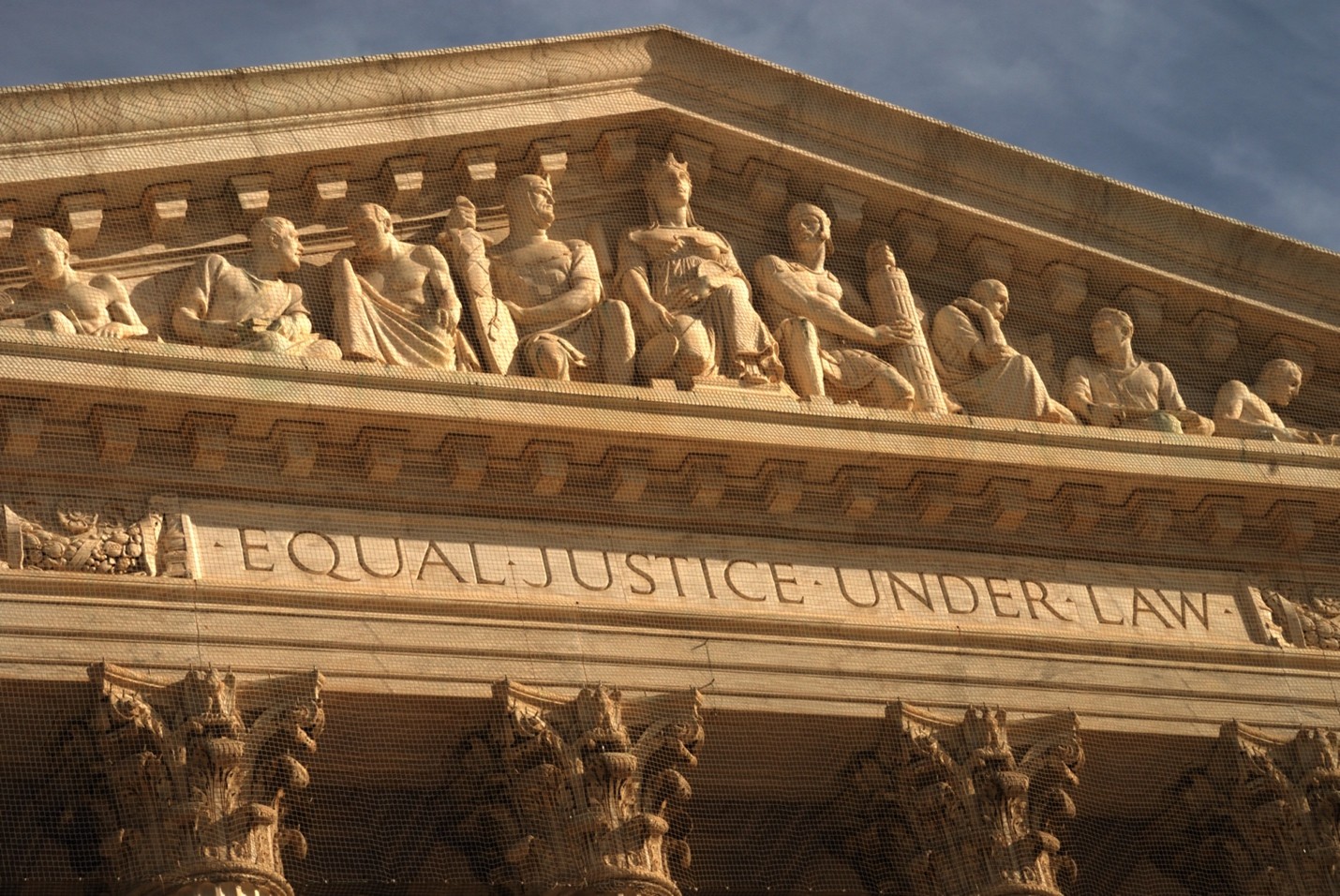
It does not require equal talents, equal possessions, equal achievements, or equal outcomes. It requires recognition that every human being possesses the same natural rights and deserves equal protection under law for his person, property, and liberty.
No one is naturally a master, and no one is naturally a slave.


